

Did you know that over 70% of brands experience market confusion due to inconsistent messaging across their distribution channels? This single fact could be the difference between owning your market and seeing your brand diluted beyond recognition. In today’s fast-changing business environment, distribution channel marketing strategy is the backbone of selling products and services efficiently, maximizing brand value, and navigating common pitfalls like channel conflict and partner overlaps. Whether you’re a corporate business manager, marketing professional, or academic, understanding and implementing a robust channel distribution plan is no longer optional—it’s essential to growth and competitive edge.

“Brands risk serious market dilution as channel partners proliferate. Ensuring consistent messaging and strategic control is critical.” – Industry Expert
A Revealing Look at Distribution Channel Marketing Strategy Success
Every year, thousands of businesses lose market share and struggle with inefficiencies because their distribution channel marketing strategy fails to align with current trends and customer behaviors. Channel distribution is not just about getting products or services from Point A to Point B—it’s about ensuring that your brand’s message, value, and quality are preserved all the way to the end consumer. With the proliferation of channel partners, from value-added resellers and warehouses to modern eCommerce platforms, the risk of brand dilution and channel conflict rises sharply.
A well-constructed channel strategy means more than just reaching a wider audience: it safeguards your brand, minimizes internal and external conflicts, and helps your sales team build longstanding partnerships. For business managers and marketers, this translates into higher revenues, better customer experience, and a tangible impact on the bottom line. In this comprehensive guide, you’ll learn why mastering your distribution channel is crucial and how companies—real-world and hypothetical—navigate these complexities with success.
What You’ll Learn About Distribution Channel Marketing Strategy
- Understand core concepts of distribution channel marketing strategy
- Discover types of distribution channels and their pros & cons
- Identify common challenges such as brand dilution and channel conflict
- Explore real-world examples and best practices
- Gain actionable steps to optimize your distribution strategy
Defining Distribution Channel Marketing Strategy and Its Importance
What is a distribution channel strategy?
At its core, a distribution channel marketing strategy defines the path your products or services take from manufacturer to end consumer, leveraging direct and indirect channels to maximize reach while safeguarding brand awareness and message clarity. Distribution channels include everything from your direct sales team and online store to retail store partners, wholesalers, and value-added resellers. The difference between distribution channels and simple product distribution lies in the focus: channels are about who moves the product and how it presents your brand to the target audience, while product distribution concerns the logistics of getting products to consumers.
In practical terms, choosing and refining your channel strategy is about balancing efficiency, cost, and control. Direct channels give your brand hands-on influence over brand messaging, while indirect channels expand your geographical reach by relying on others. The right blend ensures market coverage, optimized logistics, and consistent customer experience, all critical in today’s interconnected supply chain.
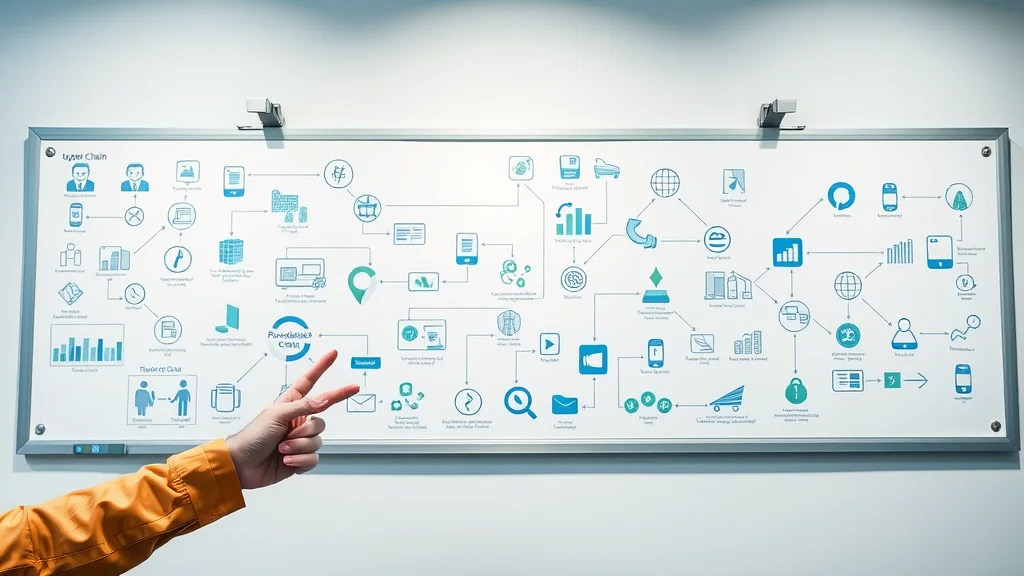
- Definition and key concepts of distribution channel marketing strategy
- Difference between distribution channels and product distribution
How Distribution Channel Marketing Strategy Impacts Brand Value
Brand Consistency and Market Message Across Distribution Channels
As more channel partners join your distribution network, the challenge of maintaining brand consistency grows. When distribution partners interpret your marketing campaign differently or drift from your messaging, the risk of brand dilution increases. For instance, if your retail store partners or online platforms represent your products inconsistently, customer perception can falter, undermining your brand awareness and the integrity of your supply chain. This is particularly true in industries like FMCG and technology, where product differentiation is closely tied to brand image.
Balancing direct and indirect channels is key to controlling your market message. Direct distribution channels offer a high degree of control but may limit scalability, while indirect distribution expands market reach but makes it harder to enforce standards. Policies around channel usage, regular partner training, and strong market message guidelines are all critical components of a high-performing distribution channel marketing strategy. When leveraged effectively, these tactics minimize channel conflict, maximize customer experience, and reinforce your brand position at every stage of the product distribution journey.
- Risks of brand dilution as channel partners increase
- Role of direct vs. indirect channel distribution in brand control
Types of Distribution Channels in Distribution Channel Marketing Strategy
Overview of distribution channels
In the realm of distribution channel marketing strategy, understanding different channel types is fundamental. Direct channels involve selling directly to the end consumer through means like direct sales teams, company websites, or pop-up events. This direct connection enhances customer experience and offers tight brand control, but it can be resource-intensive and harder to scale. Indirect channels, on the other hand, use intermediaries such as value-added resellers, dealers, and retail partners to expand reach with less overhead—but risk losing some control over the brand’s customer journey.
Increasingly, many organizations adopt hybrid and omnichannel strategies that combine both direct and indirect methods, leveraging the strengths of each. A hybrid channel approach might include both a branded online store (direct) and a network of authorized distributors (indirect), ensuring broad market reach, customer choice, and channel distribution flexibility. Omnichannel strategies further integrate online, offline, and even social media channels to create seamless brand experiences, reflecting the way today’s customers move fluidly across digital and physical sales networks.
- Direct channel and direct distribution
- Indirect channels and indirect distribution
- Hybrid and omnichannel strategies
To further refine your approach and explore actionable frameworks for channel marketing, you may find it helpful to review detailed guidance on developing a channel marketing strategy that aligns with your business objectives and market dynamics.
Types of distribution: Intensive, Selective, Exclusive
The nature of your product and target audience influences the specific type of distribution strategy you choose. Intensive distribution aims for sheer volume, placing products across as many sales channels as possible—think snacks, beverages, or everyday goods. Selective distribution means choosing carefully vetted distribution partners, such as specialty electronics retailers, to maintain a degree of channel control while accessing select market segments.
In contrast, exclusive distribution limits product availability to specific outlets, commonly used for luxury items. This not only maintains brand exclusivity but also empowers you to set stringent standards for partner behavior, safeguarding against message dilution. These approaches can be mixed and matched within a hybrid distribution channel marketing strategy, optimizing the balance between reach and brand integrity.

Building an Effective Distribution Channel Marketing Strategy
- Analyzing product distribution methods
- Selecting distribution partners
- Setting distribution policies for channel partners
- Integrating supply chain considerations
- Optimizing for customer experience
Constructing an effective distribution channel marketing strategy starts with a detailed analysis of your existing product distribution methods. Evaluate direct sales versus indirect channel distribution based on your product’s unique requirements, ideal regions, and the preferences of your end consumer. Consider technical complexity, product life-cycle, and local regulations when identifying partners. Selecting the right distribution partners is crucial—they must share your values, uphold your brand message, and be equipped to serve their assigned territories.
Formulate clear distribution policies, defining territorial boundaries to avoid overlap and minimize channel conflict. Policies should address how partners represent your marketing campaign, pricing controls, and penalties for breaches. Integrate supply chain efficiency into your strategy, ensuring every handoff—from manufacturer to retailer or end user—delivers a seamless customer experience. Regularly review these elements with channel partners to maintain alignment, adapt to market shifts, and drive continuous channel optimization.
Distribution Channel Marketing Strategy: Common Challenges
- Channel conflict management
- Ensuring every channel partner sells within their region
- Maintaining brand clarity among distribution partners
Even the best-designed distribution channel marketing strategy faces hurdles. Channel conflict arises when partners compete in overlapping markets or undercut each other on price, eroding profit margins and damaging relationships. To mitigate this, it’s vital to define territories carefully and monitor partner activity to ensure each distributor operates exclusively within their allocated region. Regular training, transparent communication, and clear policy enforcement play significant roles in conflict resolution.
Brand clarity is another persistent challenge, especially as the number of distribution partners increases and products cross multiple channels, from retail store shelves to social media and eCommerce platforms. A uniform market message is essential—each partner must know how to represent the brand, implement promotions, and interact with your customers. Successful strategies combine legal agreements, brand guidelines, digital tools, and periodic audits to keep your network aligned and effective.

Case Study: Global Corporate Success with Distribution Channel Marketing Strategy
“When [Brand X] restructured its distribution channels, it increased market share by 15% within 12 months.”
- Real world examples from retail, technology, healthcare, and FMCG
- Academic insights on evolving distribution strategies in today’s market
- Lessons learned for business and academic professionals
Consider the case of a global consumer electronics company—let’s call it Brand X. Initially, Brand X used a scattergun approach to distribution, resulting in filtered messaging and price wars among resellers. After refocusing on a strategic mix of direct and indirect channel distribution, setting rigorous partner criteria, and standardizing brand training, Brand X saw a 15% spike in market share within a year. The company’s meticulous delineation of territorial boundaries helped reduce channel conflict, and ongoing channel performance analysis kept everything aligned.
Other examples span industries: a major pharmaceutical firm used exclusive indirect channels to comply with regulations and maximize brand control, while an FMCG leader revamped its omnichannel strategy by integrating social media campaigns and training retail partners, resulting in consistent customer experience across continents. Academic research highlights how businesses embracing data-driven approaches and agile channel distribution outperform rivals, showing that success demands a balance of art, science, and continuous adaptation.

Distribution Channel Marketing Strategy: Step-By-Step Implementation Guide
- Map your product and market needs
- Identify and evaluate potential distribution partners
- Set up clear distribution policies and messaging standards
- Train partners to maintain brand integrity
- Monitor for channel conflict and resolve issues proactively
- Leverage data and analytics for market responsiveness
Implementing a high-impact distribution channel marketing strategy requires methodical steps. Start by mapping out your product’s needs and your market’s expectations. Are you selling a high-value, technical product that needs in-depth support, or a fast-moving consumer item that should be everywhere at once? Answering these questions shapes your channel selection.
Next, meticulously vet potential distribution partners for alignment with your core values and capacity to uphold your market message. Draft robust distribution policies, covering everything from geographic rights to advertising guidelines and pricing standards. Invest in continuous training to keep partners up-to-date on brand standards and best practices.
Active monitoring is essential: use analytics to identify and proactively resolve channel conflicts. Finally, build a culture of flexibility—regularly review strategy effectiveness and adapt based on real-time supply chain and sales channel performance data.

Distribution Strategy Optimization: Best Practices and Innovations
- Omnichannel approaches and digital transformation in distribution strategy
- The role of technology in channel distribution
- Sustainability and ethical considerations in distribution strategy
Modern distribution strategies thrive on innovation. Adopting an omnichannel approach—where a customer’s journey might start on social media, move to an online store, and finish in a retail location—ensures every touchpoint is integrated and consistent. Digital transformation also means equipping distribution partners with real-time analytics, CRM platforms, and AI-driven tools that allow instant adaptation to shifting market demand, mitigating the risk of lost sales or redundant inventory across the supply chain.
Technology is also critical for monitoring partner compliance, measuring channel performance, and prepping your brand for future disruption. Additionally, as consumers and investors increasingly care about sustainability, ethical distribution strategies that emphasize transparency, eco-friendly logistics, and responsible sourcing can elevate your brand and future-proof your operations. According to industry experts, “Leveraging data-driven insights means adapting your distribution strategies faster than competitors.”

Distribution Channel Marketing Strategy by Industry: Applications & Trends
- Product distribution in consumer goods: Brick-and-mortar vs. eCommerce
- Direct channel in technology: SaaS and cloud solutions
- Indirect channel in pharmaceuticals & healthcare
- Distribution channel innovation in retail and B2B sectors
Applications of distribution channel marketing strategy differ across industries, each presenting unique challenges and opportunities. In consumer goods, companies balance between brick-and-mortar stores and eCommerce for nationwide reach. Retailers and online stores must deliver a consistent customer experience, regardless of where the product is accessed. In technology, especially SaaS and cloud solutions, the direct channel—often via the company’s own website or a targeted sales team—dominates to ensure customer onboarding and technical support.
Indirect channels remain essential in highly regulated industries like pharmaceuticals and healthcare, where authorized distribution partners and clearly defined product distribution pipelines ensure compliance and safety. The B2B sector often leverages hybrid approaches, enabling scale and control while pioneering omnichannel techniques, like integrating ERP and CRM systems for a seamless supply chain. Adapting your distribution strategy to sector trends, digital transformation, and customer behaviors is now the mark of industry leaders.

Distribution Channel Marketing Strategy: People Also Ask
What is a distribution channel strategy?
A distribution channel strategy defines how a business delivers its product or service to end users, leveraging various channels—direct or indirect—to maximize reach, efficiency, and profitability while minimizing brand dilution and channel conflict.
What is an example of a distribution strategy in marketing?
An example is a manufacturer using a direct channel by selling through its website combined with an indirect channel via authorized dealers, ensuring regional exclusivity and brand message consistency.
What is the distribution channel in marketing?
A distribution channel in marketing refers to the pathway a product or service follows from producer to end consumer, which may include intermediaries such as wholesalers, value-added resellers, or retailers.
What are the 4 stages of distribution channel?
The four stages typically encompass: Manufacturer, Wholesaler, Retailer, and Consumer—each critical to forming a complete channel distribution and impacting the overall distribution strategy.
Key Takeaways for Distribution Channel Marketing Strategy
- Strategic alignment between product distribution, distribution channel partners, and brand messaging is crucial
- Regular channel conflict checks can prevent market overlap and protect brand value
- Embrace technology and data analytics for optimized distribution strategies

Frequently Asked Questions About Distribution Channel Marketing Strategy
- How do I measure the effectiveness of my distribution channel marketing strategy?
Effectiveness can be measured by analyzing sales growth, coverage metrics, inventory turnover, customer satisfaction scores, and partner compliance rates. Regular data reviews ensure you spot trends and areas for improvement quickly.
- What are the biggest risks if brand messaging is inconsistent among distribution partners?
Inconsistent messaging can lead to customer confusion, erode brand value, spark price wars between partners, and ultimately cause a loss of customer trust and market share.
- Can a hybrid approach improve distribution channel flexibility?
Yes, hybrid distribution strategies blend the benefits of direct and indirect channels. They give companies broader reach while retaining brand control and flexibility to adapt to changing consumer behaviors.
- What best practice prevents channel conflict in international markets?
Clearly defining geographic territories, enforcing distribution policies, and using real-time analytics to monitor partner performance are best practices for avoiding and resolving channel conflicts globally.
Table: Comparing Types of Distribution Channel Strategies
| Type | Direct/Indirect | Best For | Pros | Cons |
|---|---|---|---|---|
| Direct Channel | Direct | Niche/premium, high control | Brand control, high margins | Scale limitations, higher overhead |
| Indirect Channel | Indirect | Broad distribution, mass market | Wide reach, shared cost | Potential brand dilution, less control |
| Hybrid Channel | Both | Flexible, multi-segment targeting | Scale + control balance | Complexity, risk of channel conflict |
Further Resources and Consulting for Distribution Channel Marketing Strategy
- Ready to transform your distribution channel marketing strategy? Visit https://www.stephenccampbell.com/ to make contact and begin your consulting journey.
Conclusion: The Future of Distribution Channel Marketing Strategy
- Distribution channel marketing strategy is vital for modern business competitive advantage.
- Continuous improvement, adaptation, and learning are the keys to sustained success for both business professionals and those in academia.
If you’re ready to take your understanding of distribution channels to the next level, consider exploring the broader landscape of distribution channel strategies and trends. This resource delves into industry-specific applications, emerging innovations, and the evolving role of channel partners in today’s marketplace. By expanding your perspective, you’ll uncover advanced tactics and strategic insights that can help future-proof your business and drive sustainable growth. Continue your learning journey and position your organization at the forefront of distribution excellence.
Sources
- Shopify – https://www.shopify.com/enterprise/distribution-channels
- Investopedia – https://www.investopedia.com/terms/d/distribution-channel.asp
- SBA – https://www.sba.gov/business-guide/manage-your-business/market-your-business/distribution-channels
- CIM – https://www.cim.co.uk/newsroom/distribution-channel-strategy.html
To deepen your understanding of distribution channel marketing strategies, consider exploring the following resources: “What is Distribution Channel? – Definitions, Types, and Strategies”: This article provides a comprehensive overview of distribution channels, detailing their definitions, various types, and strategic applications. It offers insights into how businesses can effectively utilize different distribution pathways to enhance market reach and operational efficiency. (salesforce.com) “Distribution Channels: Types, Examples, Best Practices”: This resource delves into the various types of distribution channels, providing real-world examples and best practices. It discusses how companies like Nike and Slack implement hybrid and digital distribution strategies to maintain brand control while expanding their market presence. (distribution.ai) If you’re serious about optimizing your distribution channel marketing strategy, these resources will provide valuable insights and practical examples to guide your efforts.
