

Did you know that 93% of consumers say online reviews influence their purchase decisions? In today’s digital landscape, strategies for getting more company Google reviews are no longer optional—they are essential for business growth. Whether you’re a business owner, marketer, or customer success professional, understanding how to build your online reputation through Google reviews can directly impact your sales, brand trust, and overall success.
Why Strategies for Getting More Company Google Reviews Matter: Unpacking the Power of Google Reviews
“Did you know that 93% of consumers say online reviews influence their purchase decisions?”
- Impact of Google reviews on company reputation and customer experience
- Connection between positive reviews and increased sales
- Distinction between direct customer feedback and public online reviews

Company Google reviews serve as public endorsements that not only boost your visibility on Google Maps and in Google Search results, but also build lasting trust with potential customers. These online reviews give prospects quick insights into your customer service and business quality, often forming the basis of first impressions. Businesses with high volumes of positive reviews typically see a marked increase in traffic, conversions, and even physical footfall, as consumer trust is strongly anchored in visible social proof. However, achieving this goes beyond delivering good service; it requires a structured review generation process tied to your wider marketing and customer experience strategies.
Furthermore, while direct feedback helps optimize your internal operations, public reviews on platforms like Google and Trustpilot supercharge your external reputation. The distinction between internal and external feedback is crucial, as only public reviews influence both search rankings and consumer confidence. This is why structured review management is an indispensable part of modern business strategy.
What You’ll Learn: Strategies for Getting More Company Google Reviews
- Benefits of Google reviews for businesses
- Step-by-step Capid Houser process for review generation
- Ethical and effective ways to request and manage online reviews
- Practical tips to improve customer feedback collection
Understanding Customer Feedback: Internal vs. External Channels
Direct Customer Feedback: Insights for Internal Growth
- How internal feedback shapes customer experience strategies
- Integrating customer feedback into business operations
Internal customer feedback channels—such as satisfaction surveys, feedback forms, or direct staff communication—offer invaluable data for improving your company’s customer experience. Unlike public-facing reviews, this input gives you a direct line to your customers’ thoughts and expectations, enabling quick problem resolution and iterative business improvements. Sophisticated CRM platforms help centralize this feedback, making it actionable for teams. By systematically integrating such insights, businesses can consistently refine processes, products, and services to delight customers and preempt negative reviews from ever reaching public forums.
Encouraging honest feedback builds a culture of listening and responsiveness, which in turn increases customer satisfaction and loyalty. Not all feedback needs to become a public review; sometimes the most useful advice for internal growth comes behind closed doors. Still, merging these insights into your company’s learning loop ensures that negative trends are addressed before they impact your online reputation—a critical step for sustainable growth.
Online Reviews & Google Reviews: Building External Trust
- Differences between internal customer feedback and Google reviews
- Leveraging external Google review ratings for competitive advantage
The main difference between internal feedback and external reviews, such as those left on Google Reviews or Trustpilot, lies in their audience and impact. External reviews are public, instantly visible to all potential customers who find your business on Google Maps or in regular Google Search results. These reviews build trust beyond direct interactions, influencing buying decisions and shaping your brand’s perception on a broader scale.
Leveraging your Google reviews means understanding their dual role: boosting local SEO and cultivating a credible, approachable image in your community. High ratings and a steady stream of positive feedback signal reliability, expertise, and customer satisfaction to both search engines and new clients. The objective is clear—build external trust, stand out from competitors, and turn feedback into a magnet for new business.
Capid Houser Process: 7 Essential Steps for Strategies to Get More Company Google Reviews
Step 1: Create a Comprehensive Customer List
- Best practices for compiling customer data
- Using CRM tools for accurate customer lists
The foundation of any successful review request strategy is a curated list of genuine customers. Start by exporting data from your CRM, sales platforms, or email marketing tools. Ensure you have accurate and up-to-date contact information—email, phone, or mailing address. Segment your customers based on recent transactions, satisfaction levels, or service type to tailor your outreach. Always comply with privacy regulations by only contacting those who have agreed to receive communications.
Using CRM systems not only centralizes your customer database, but also helps track engagement and monitor trends over time. Remember, “Your efforts are only as good as your contact list.” A clean, segmented, and qualified list translates into higher review response rates, fewer bounce backs, and more meaningful feedback from those who’ve genuinely experienced your products or services.
“Your efforts are only as good as your contact list.”
Step 2: Write a Request Review Email That Gets Results
- Crafting a compelling review request email
- Personalization and timing for higher engagement
- Examples of effective review request messaging
The key to earning more company Google reviews is a well-crafted, personalized email. Your message should thank customers for their business, explain the value of their feedback, and make the steps to leave a review crystal clear. The tone should be friendly and sincere, not transactional. Use the customer’s first name, reference specific products or services, and avoid generic templates. The best time to send the review request is shortly after the service or purchase, when satisfaction is fresh and the customer experience is top of mind.
For greater impact, include a direct review link that sends users straight to your Google review page, as well as a QR code for those on mobile. Example email: “Hi [First Name], we’d love your feedback! Click here [insert review link] to share your experience and help our small business grow.” Always test different subject lines and messaging for higher open and click-through rates.
As you refine your approach to gathering customer feedback and reviews, it’s also worth considering how loyalty initiatives can further enhance engagement and retention. For actionable ideas on building stronger customer relationships, explore these small business customer loyalty program strategies that complement your review generation efforts.
Step 3: Create a Review Capture Page for Seamless Feedback
- Designing a user-friendly review capture page
- Including Google review and review card links
- The role of qr code technology for in-person requests
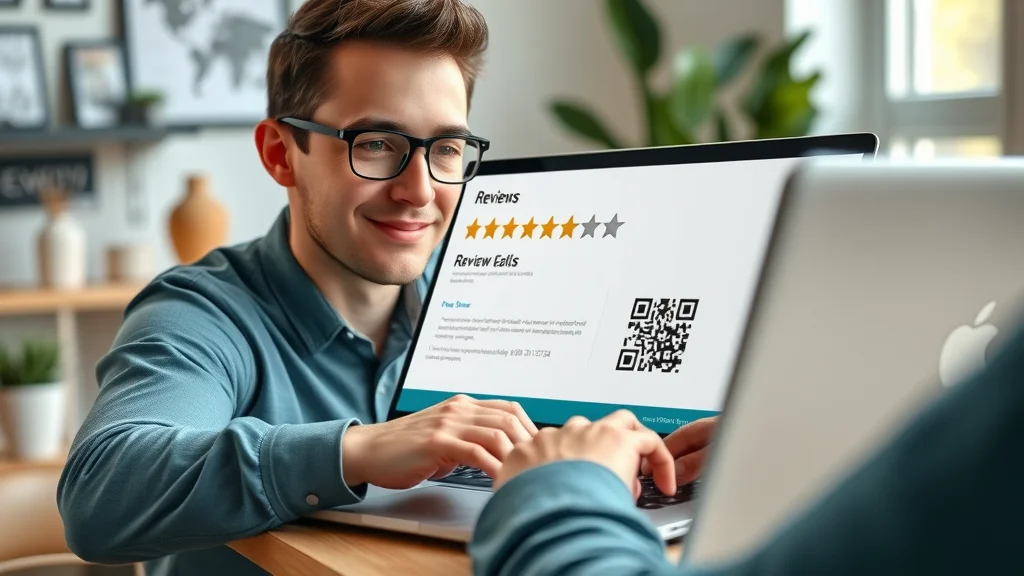
A review capture page simplifies the process for happy customers to provide their input. Design your review page with intuitive navigation, visible calls-to-action, and links straight to your company’s Google review portal. Embedding a QR code on both the page and printed review cards carries the process seamlessly from digital to in-person experiences, boosting engagement at every touchpoint.
When executed well, a review capture page eliminates confusion and friction. Customers appreciate being guided step-by-step—whether scanning a QR code on a receipt, review card, or store poster, or clicking a review link in their email. Always test your page’s usability on both desktop and mobile devices, ensuring accessibility for every customer journey.
Step 4: Write a Response Email to Foster Engagement
- Thanking customers for feedback and reviews
- Encouraging further interaction and positive reviews
Sending a personalized response email after a customer leaves a review signals that you value their time and opinion. Such follow-up messages should thank the customer explicitly and, where fitting, invite further conversation or loyalty perks. This strengthens the emotional connection to your brand, encourages repeat business, and prompts additional positive reviews from satisfied customers who feel genuinely appreciated.
Demonstrating this level of attentiveness helps mitigate the occasional negative review and demonstrates to future customers that your company is committed to customer service. Over time, this feedback loop can turn one-time buyers into long-term advocates who regularly interact with your business online and offline.
Step 5: Build an Email Server That Scales
- Choosing the right email platform for campaigns
- Compliance considerations and avoiding spam filters
As your review request efforts expand, you’ll need a robust email server or marketing automation platform capable of handling large-scale campaigns. Look for solutions that support customized sequencing, easy segmentation, analytics, and CRM integration. Maintain compliance with data privacy laws (such as GDPR or CAN-SPAM) by managing unsubscriptions and only contacting those who’ve opted in.
To avoid emails ending up in spam folders, regularly clean your list, use high-reputation sending domains, and monitor deliverability rates. Well-managed email infrastructure ensures review requests reliably reach recipients and can be ramped up as your customer base grows, resulting in a steady flow of fresh Google reviews over time.
Step 6: Send Out Review Requests in Batches
- Benefits of staggered review request campaigns
- A/B testing subject lines and content

Sending your review requests in thoughtfully timed batches offers several advantages. First, it avoids overwhelming your team with a sudden flood of reviews requiring responses. Second, batch sending allows you to test different subject lines, body content, and even review request formats; by analyzing which variants perform best, you can optimize future campaigns for opens, clicks, and conversions.
Staggered campaigns also help keep your review profile looking organic, rather than raising red flags with search engines or review platforms. By maintaining a steady cadence of incoming reviews, you’ll improve your chances of long-term visibility and local SEO impact. Use automation tools to personalize each outreach, ensuring that every customer feels like a valued part of your business’s success.
Step 7: Analyze the Results and Optimize the Process
- Measuring Google review acquisition rates and response rates
- Adjusting process based on data and feedback
Consistently measure key metrics—such as open rate, click-through rate, review completion rate, and average star rating—to evaluate your review generation efforts. Tools like Google Analytics, your CRM, or marketing automation platform can provide real-time visibility into the effectiveness of your outreach. Use these insights to refine messaging, timing, and review request methods for even better results in future campaigns.
Gathering and leveraging this data also means monitoring the quality of reviews received. A surge in positive reviews is fantastic, but it’s equally important to address negative trends when they arise, using the opportunity to improve customer experience and resolve underlying issues. An agile, data-driven approach will ensure each cycle delivers stronger outcomes.
Step 8: Rinse, Repeat, and Perfect Your Review Strategy
- Continuous improvement and customer experience loops
- Working hand-in-hand with Capid Houser’s proven methods
The review generation process doesn’t end after the first cycle. Continually refining your strategy based on feedback, campaign data, and market changes is essential. As more reviews build up, your business gains visibility and credibility, creating a virtuous cycle of positive reputation and increased customer acquisition.
Work closely with structured frameworks, such as Capid Houser’s 7-step process, to ensure your strategies remain current and highly effective. This ongoing process makes review collection part of your organizational DNA, fueling growth and setting you apart in an increasingly competitive market.
Powerful Strategies for Getting More Company Google Reviews
- Utilizing social media and Google Business Profile for review requests
- Incentivizing customers to leave a review ethically
- Implementing review management tools for Google reviews
- Making use of review link and qr code for physical and digital touchpoints

Extend your review requests beyond email by leveraging social media channels and your Google Business Profile. Post reminders and success stories to encourage engagement, and create easily shareable graphics or review cards with QR codes for in-store placements. Always ensure that any incentive offered—for example, entry to a prize draw—is legal, ethical, and compliant with platform guidelines to avoid unintended consequences.
Employ review management tools to automate reminders, track review performance, and monitor customer sentiment across platforms. Integrating review links into your digital receipts, point-of-sale systems, and even printed material ensures customers can leave a review whenever and wherever it’s most convenient. This holistic approach streamlines feedback collection and maximizes your reach, strengthening your business’s online presence and Search Engine standing.
Best Practices and Tips: Ensure a Positive Customer Experience While Increasing Google Reviews
- Follow-up protocols after a positive review or negative review
- Responding to Google reviews publicly
- Creating shareable review card graphics for customers
To maximize results while maintaining customer satisfaction, every review—positive or negative—deserves a thoughtful response. Thank customers for positive reviews and address issues highlighted in negative reviews promptly and professionally. This demonstrates dedication to improvement and transparency.
Further, equip your team with branded review cards (with QR codes or review links) that can be handed to customers at checkout or alongside completed services. Making it easy for customers to leave feedback at every touchpoint leads to consistent review generation and a more robust public profile.
Watch as experts break down how to implement each step for maximum impact on your company’s Google review strategy.
How to Get More Google Reviews for a Business? (People Also Ask)
How to get more Google reviews for a business?
- Requesting reviews from satisfied customers
- Making it easy to leave a review via links, QR code, and review cards
- Incorporating review requests into daily operations

Businesses get more Google reviews by promoting an easy and accessible review process. Ask satisfied customers directly—either in person or via follow-up emails—while their positive experience is still fresh. Provide a clear review link, QR code on printed review cards, or visible instructions at your physical location. Incorporate these reminders into your practice, such as after a service call, delivery, or successful resolution of a client’s issue. The easier it is for customers to leave reviews, the more likely you’ll consistently receive feedback that enhances your Google Business Profile and local business reputation.
Is review boosting illegal?
- Understanding legal and ethical boundaries
- Consequences of fake Google reviews and review boosting
Review boosting—the practice of soliciting fake or compensated reviews—violates Google’s policies and can even cross into the territory of unlawful business conduct. Platforms actively monitor for unnatural review activity and may penalize accounts that break the rules. Additionally, fake reviews undermine consumer trust, risk legal action, and can cause Google Business listings to be suspended or removed. For sustainable, long-term results, focus exclusively on authentic, voluntary, and ethical review generation methods.
How to get 4.9 on Google reviews?
- Consistently request reviews from happy customers
- Monitor and respond to feedback—both positive and negative
- Address negative reviews proactively
Achieving a 4.9-star rating on Google Reviews requires both persistence and quality. Continuously encourage satisfied customers to leave honest feedback, monitor new reviews for trends, and respond to every review—good or bad. When a negative review appears, reach out with empathy and offer resolutions offline if necessary. Over time, consistently addressing customer service issues and delivering memorable experiences will lift your average review score and boost your business’s visibility in search results.
How to get lots of 5-star Google reviews?
- Deliver outstanding customer service and experiences
- Simplify process to leave a review across all business touchpoints
- Use Capid Houser’s 7-step approach for review generation

To accumulate a high volume of 5-star reviews, go beyond expectation during every customer interaction. From effective communication to quick problem-solving, customer satisfaction drives glowing reviews. Place review links, review cards, and QR codes everywhere relevant—receipts, websites, check-in posters, and after-service documentation. Leverage Capid Houser’s 7-step review generation framework to keep your review pipeline full, process efficient, and team motivated for ongoing success.
Industry leaders discuss how gathering meaningful online reviews shapes business growth, reputation management, and customer loyalty.
Frequently Asked Questions: Strategies for Getting More Company Google Reviews
- What’s the best way to ask customers for a Google review?
Be polite and personal. Thank your customer directly after a positive transaction and send follow-up emails or hand out review cards with easy instructions and a QR code or review link. - How many reviews should my business aim for each month?
While there’s no universal target, consistently gaining a handful of reviews weekly or monthly keeps your profile active and trusted. Focus on quality and authenticity over sheer volume. - How do you handle negative reviews appropriately?
Respond professionally and constructively. Apologize for the customer’s experience and offer a solution. This demonstrates your commitment to improvement and customer service to all readers. - Can Google reviews help with local SEO?
Absolutely. Frequent, high-quality Google reviews boost your local search rankings, making your business more visible to those searching for services nearby.
Table: Comparison of Internal vs. External Review Strategies
| Review Type | Benefits | Tools | Best Practices |
|---|---|---|---|
| Direct Internal Feedback | Improves operations, informs product/service changes, enhances customer experience | CRM systems, surveys, feedback forms | Act quickly on feedback, close the loop with customers, use trends to guide improvements |
| Google Reviews | Boosts public trust, strengthens local SEO, increases customer acquisition | Google Business Profile, review request emails, review link, QR code | Request reviews after positive interactions, monitor regularly, respond to all reviews |
| Other Online Reviews (e.g., Trustpilot) | Enhances online reputation, establishes social proof, builds trust beyond Google ecosystem | Review platforms, automated review invitation tools | Verify authenticity, invite after service, standardize responses for transparency |
Key Takeaways: Strategies to Get More Company Google Reviews
- A structured review request process builds trust and boosts local SEO
- Focus on customer experience and ethical review generation
- Capid Houser’s proven 7-step framework delivers consistent results
To Learn More About Strategies for Getting More Company Google Reviews
“For a deep dive into every step—and bonus tips—visit Capid Houser’s comprehensive guide at https://www.capidhouser.com/7-steps-to-getting-5-star-reviews/”
Conclusion: Transforming Customer Feedback into Lasting Success with Google Reviews
Implement a structured review request process and prioritize both internal feedback and public Google reviews to supercharge your reputation, boost sales, and deliver consistent business growth.
If you’re ready to take your customer engagement to the next level, consider how integrating loyalty programs can work hand-in-hand with your review strategy. By rewarding repeat business and fostering deeper relationships, loyalty initiatives not only encourage more positive reviews but also drive long-term growth. Discover how a well-designed loyalty program can amplify your reputation and keep your customers coming back—explore the latest approaches to customer loyalty for small businesses and unlock new opportunities for sustainable success.
Sources:
- Capid Houser: 7 Steps To Getting 5 Star Reviews
- BrightLocal Local Consumer Review Survey
- Google My Business: Respond to Reviews
To enhance your understanding of effective strategies for increasing company Google reviews, consider exploring the following resources:
- “How to Increase Google Reviews: 10 Tips to Grow Your Business” (elfsight.com)
This article provides actionable tips, such as sending personalized reminders and offering rewards, to encourage customers to leave reviews.
- “How to Get More Google Reviews: A Small Business Guide” (sitestarter.co)
This guide emphasizes the importance of ethical practices, advising against offering incentives for reviews and highlighting the value of genuine customer feedback.
By implementing the strategies outlined in these resources, you can effectively boost your company’s Google reviews and enhance your online reputation.
